
Reduce risks and improve efficiency of using project fund overseas--China-UK-Tanzania Malaria Control Pilot Project conducts effective financial management on overseas collaborating agency
According to the annual work plan of the China-UK-Tanzania Malaria Control Pilot Project (the pilot project in brief) under China-UK Global Health Programme (GHSP in brief), in order to further regulate, reduce the risks and improve efficiency of project fund use overseas, and to ensure the smooth implementation of the pilot project extension work,the Natioanl Institute of Parasitic Disease, China CDC (NIPD in brief) pilot project field work team conducted 3 specific financial supervisions and 2 external financial audit on the overseas collaborating agency ,Tanzania Ifakara Health Institute (IHI in brief) between 2nd April 2015 (when the project was launched) and 18th August 2017. The supervision focused on the internal management of IHI including project contract management and work schedules etc., project personnel cost, material procurement procedures and risk assessment of overseas funding use.
1. Enhance internal management of the project
The supervision team made a random inspection of the financial credentials, procurement files and staff contracts of IHI, and found that the related materials were well kept in categories by departments of finance, contract and human resource clearly and completely. The procurement contracts were signed after they were rewiewed and approved by the IHI contract and financial departments together. Then the financial personnel checked the work plan and the budget before conducting the payment. Meanwhile, the supervision team found that the government financial system as well as local laws and regulations had a great impact on the project. For example, IHI project was implemented in the cash basic system for financial accounting, resulting in the large fluctuations in project revenue and expenditure. The project year starts from 1st April to 30th March of the next year, which does not match the local fiscal year. Morever, the local labor law. requires a short-term contract for employees shall cover 3 months at the first time, and a renewal contract shall cover no less than 6 months, which also increase the projuect labor expenditure.
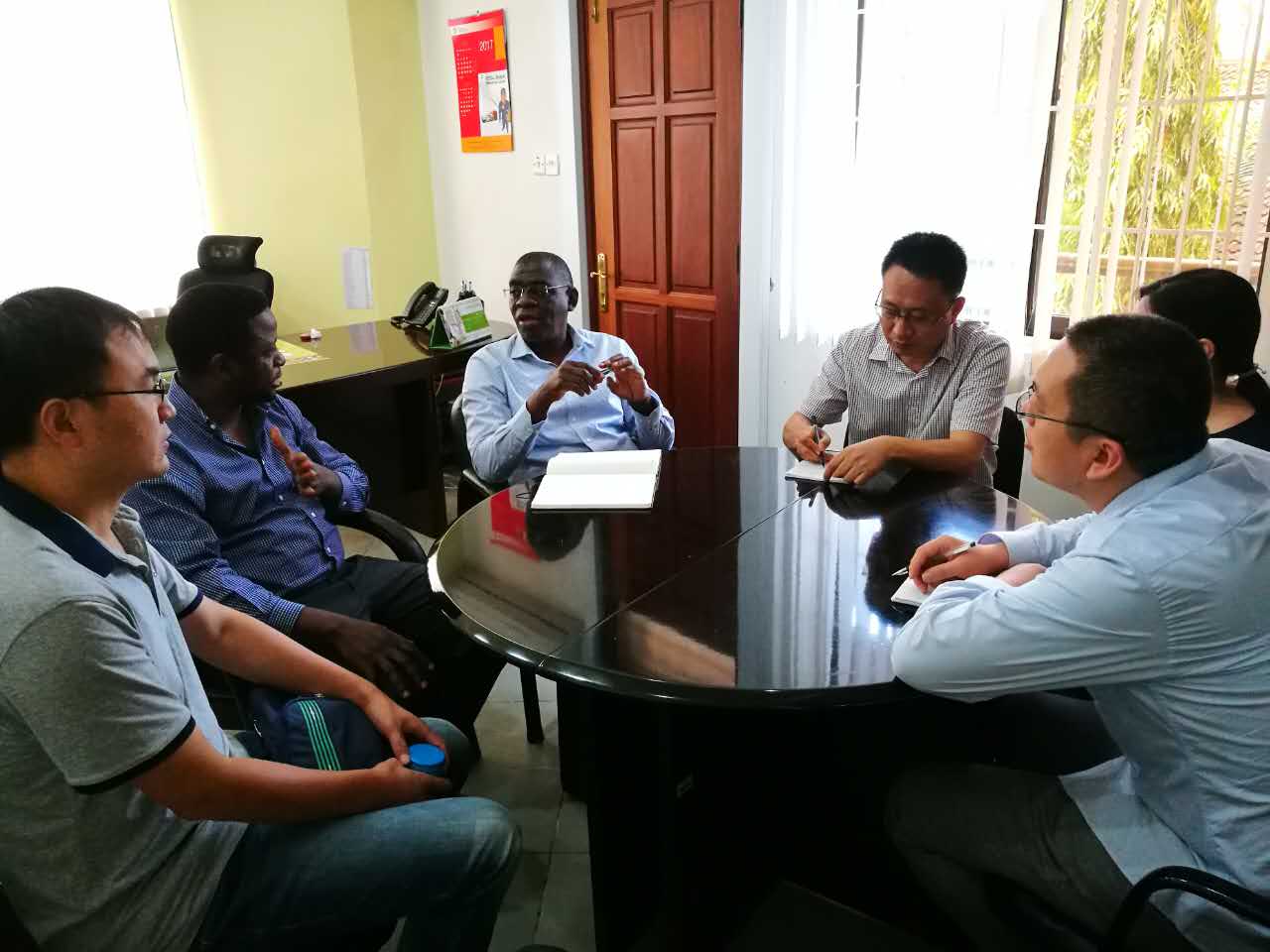
Picture 1 NIPD work team is discussing with IHI management team
2. Verify the personnel cost utilization
The supervision team made a targeted verification of the personnel cost utilization of the IHI project, by reviewing the personnel contract, work schedule and the payment details of the consultating fees. IHI currently has in total 32 staff including 9 (expert team) at the IHI headquarters and 23 at the pilot area (Rufiji). The staff are divided into different levels (ICAS/ICSS level) with different levels of consultancy fees according to their education background, working experience, papers published, project contribution. The payment standards of all the project personnel were set within the scope of ICAS/ICSS and were in accordance with relevant local laws and regulations of Tanzania.
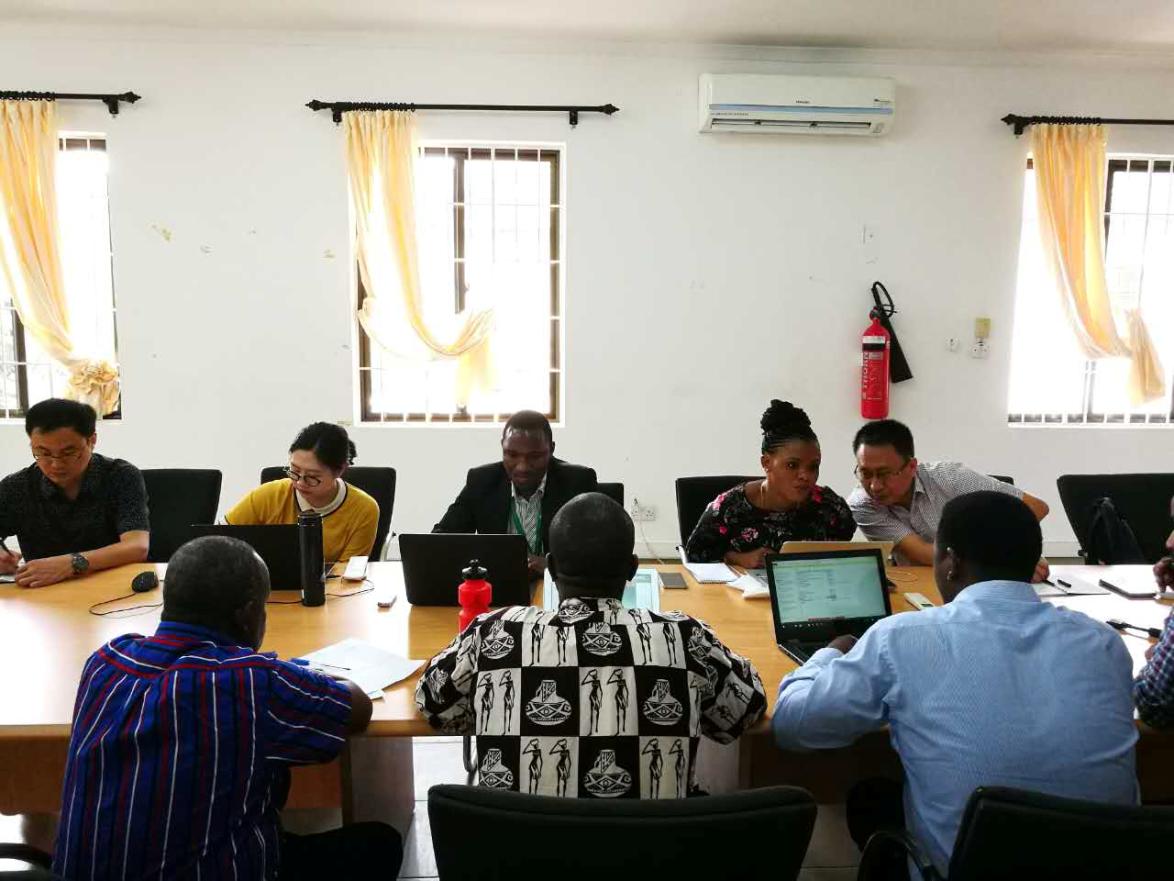
Picture 2 Specificl discussion on the financial management of the pilot project
3. Regulate the material procurement procedures
Although there are significant differences in the financial management and material procurement systems between China and Tanzania, the IHI has got familiar with the GHSP project management regulations through multiple teleconferences, seminars, on-field verification among the project management office (PMO in brief), NIPD and IHI as well as the external audit conducted by the selected third-party auditing agency. IHI was able to strictly follow the procurement procedures specified in the GHSP management manual and fill in the operating template to successfully complete the procurement pre-review and sign the contract. All the above sped up the anti-malaria drug procurement process and ensured the smooth implementation of the field intervention activities.
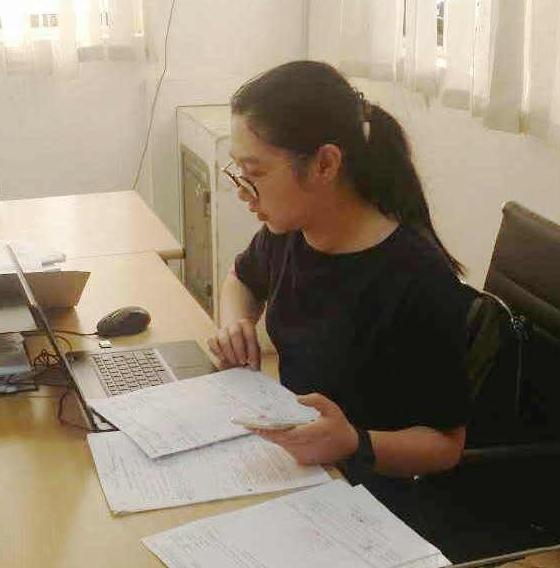
Picture 3 NIPD financial staff making inspection of the financial credentials
4. Timely assess the risks of project management
According to the annual work plan, the pilot project has completed two external audits, which both showed that IHI had rich experience in international project management with a relatively perfect internal control system, a consistent matchment between funding use and work plan. The funding use was consistent with the project management regulations without any illegal expenditure found. Regarding the problems found in the payment of IHI, the auditors assessed IHI's rectification measures and results and made management recommendations such as accelerating the implementation of the information system.
The results of the supervision showed that through the field work of 5 batches of Chinese experts, 3 on-site financial special inspections and guidance and 2 external audits, the management of China-UK-Tanzania Malaria Control Pilot Project has been gradually standardized, the risks of funding use overseas were effectively reduced. The effiency of the funding use was ensured, and important experience was accumulated for the project sustainable development and future foreign-aid project management.
Background
Overseas Pilot Project on Malaria Control in Tanzania supported by GHSP with the duration from May 2015 to June 2018 is conducted by the National Institute of Parasitic Diseases, China CDC. The expected goals are as follows:
● Apply Chinese experiences on malaria control and elimination, and integrate with the T3-strategy of World Health Organization (WHO), to carry out pilot projects. By strengthening malaria control system construction and capacity-building to improve the efficiency of malaria control activities and reduce the malaria disease burden in the pilot communities. Meanwhile, explore the best models on how to translate Chinese experiences into Tanzania’s malaria control practices and expand the models to other African countries.
● Explore experience, lessons and effective models from health development cooperation between China and other developing countries by the pilot projects, to provide policy recommendations for China’s bilateral and multilateral health cooperation.
(By Programme Implementing Agency OP4D02: National Institute of Parasitic Diseases, China CDC)

