
Achievements of China-UK-Tanzania Pilot Project on Malaria Control were Widely Concerned by International Partners
China-UK-Tanzania Pilot Project on Malaria Control (Pilot Project) will be completed on 30th June 2018. In order to timely evaluate the implementation, summarize the sustainable model, according to the original design of the Pilot Project, project implementing team invited an external evaluation team including Dr. Maru Aregawi from World Health Organization(WHO), Dr. Christian Lenger from Swiss Tropical Diseases and Public Health Institute, Dr. Rita Njau from WHO Tanzania Office, Dr. Renata Mandike from National Malaria Control Programme (NMCP) in Tanzania and Tambo Enest from Cameroon University of Witwatersrand (secretary of the evaluation group) as well as other experts to conduct the final evaluation of the Pilot Project from 3rd to 7th May 2018. The evaluation activities and the project joint supervision were carried out together at the same time.
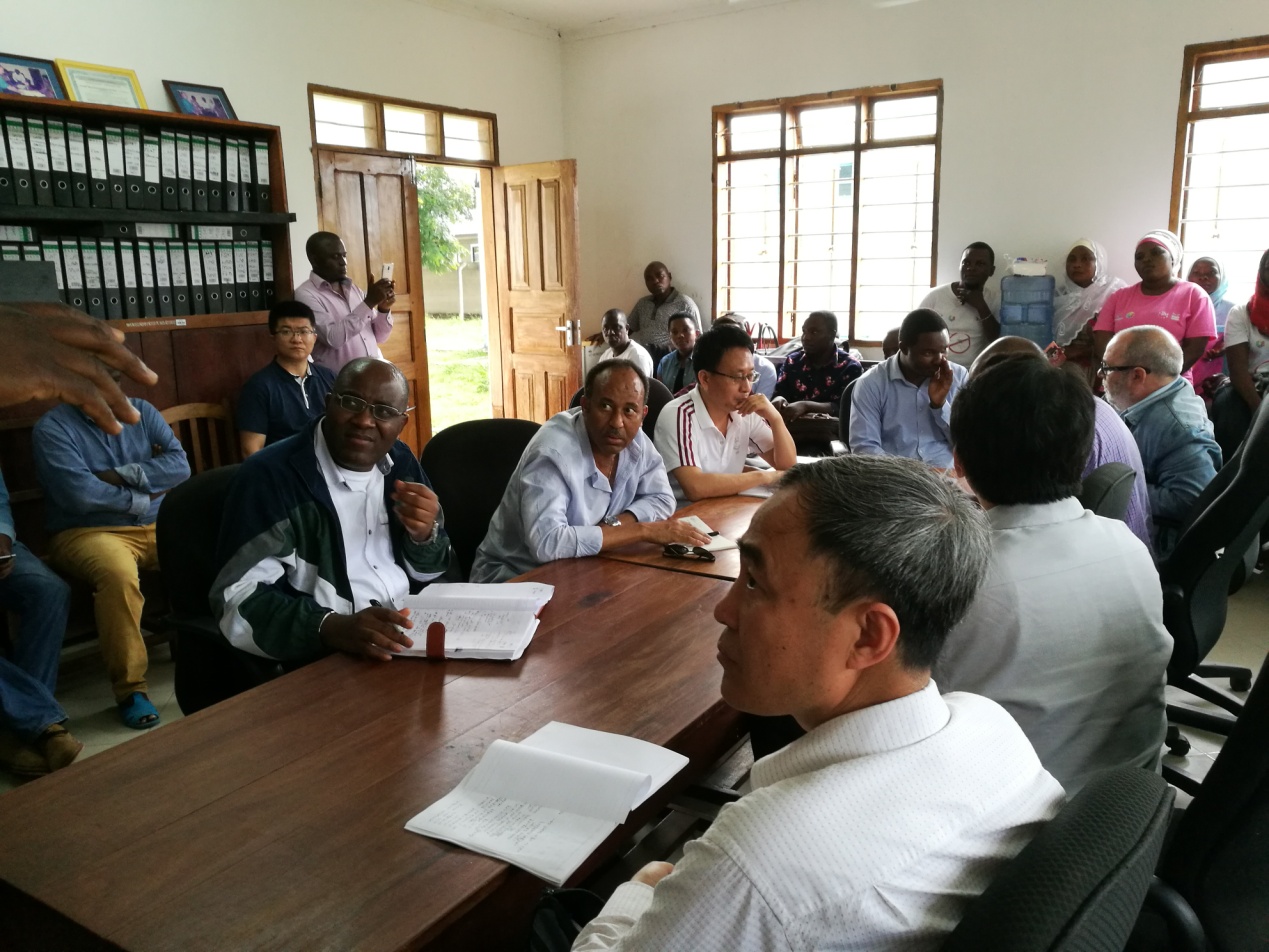
Picture 1. On-site interview and communication
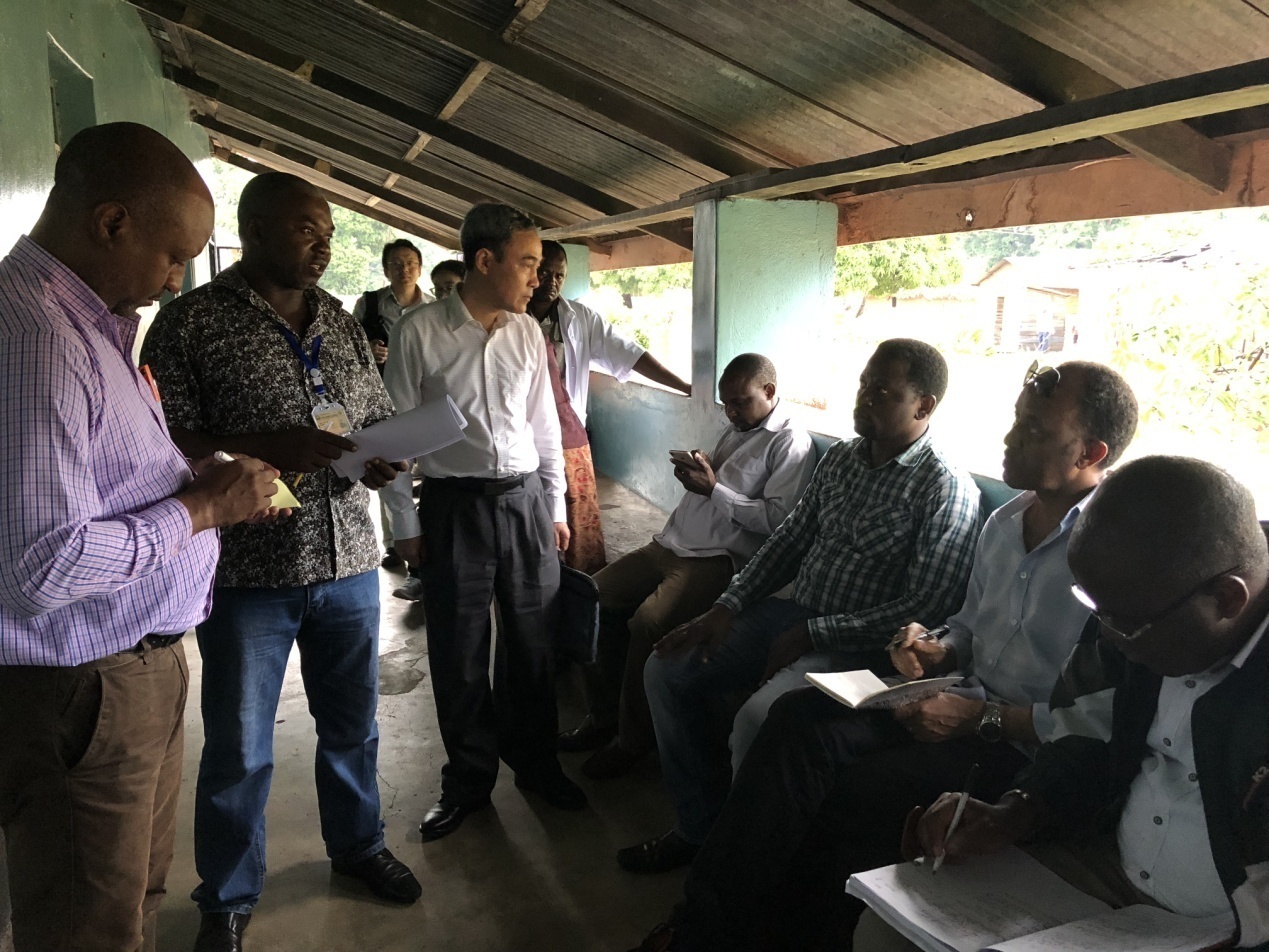
Picture 2. To interviewed local health facilities
Based on the final evaluation plan, the external evaluation team conducted the field interviews with local health officials, medical personnel, field workers and community residents in the Rufiji pilot area and randomly selected health facilities including Faraj Dispensaly, Ikwiriri Health Centre and others to check the data on outpatient blood testing of febrile patients, malaria diagnosis and treatment since the start of the project (during recent 3 years). The results of baseline survey as well as final survey were also verified, and exchanges and discussion were conducted with the local staffs and communities. The final survey results indicated that the malaria incidence had been reduced by more than 50 percent in pilot area (from11.3%to 4.9%) where the malaria basic epidemic was in the medium level, and mortality rate of malaria was reduced to very low, while there was no significant change of malaria incidence in the control area at the same period ( from 14.7 to 13.4) which indicated that the pilot intervention had achieved remarkable results.
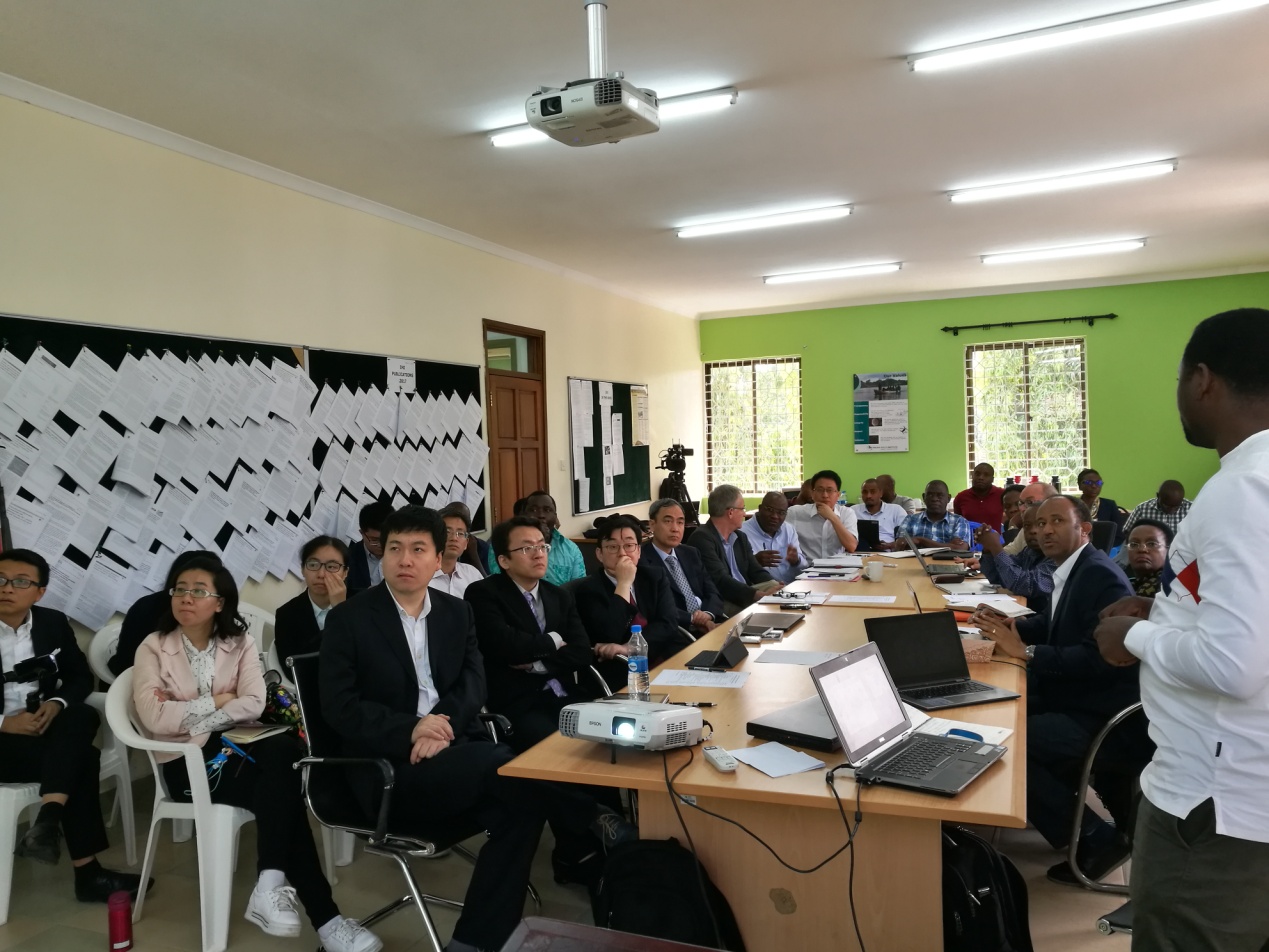
Picture 3. The evaluation team discussed the project data
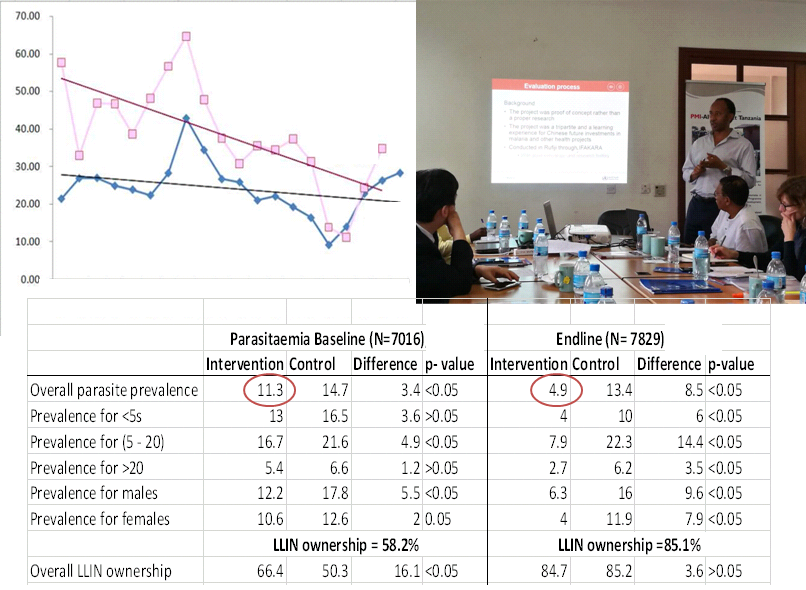
Picture 4. The malaria incidence reduced by more than 50 percent in the pilot areas
Invited from Chinese Embassy in Tanzania, Tanzania Ministry of Health and Social Welfare (MoHSW) and NMCP in Tanzaniam, Prof. Zhou Xiaonong, the principal investigator of the Pilot Project introduced the project implementation and made some specific recommendations for NMCP in Tanzania: 1)Tanzania can draw experiences from China’s 1-3-7 working concept and emphasize the time frame for key activities of malaria case management; 2) Tanzania can learn from China's community-based experiences for malaria prevention and control (e.g., Barefoot doctors) to promote local communities sustainable participation for malaria control, 3)Tanzania can learn from China's experiences of stratified strategy for malaria control and prevention, and conduct the appropriate strategies for malaria control based on local situation. The delegates at the meeting all recognized the effectiveness as well as achievements from this pilot project implementation.

Picture 5. The evaluation team meets with MoHSW
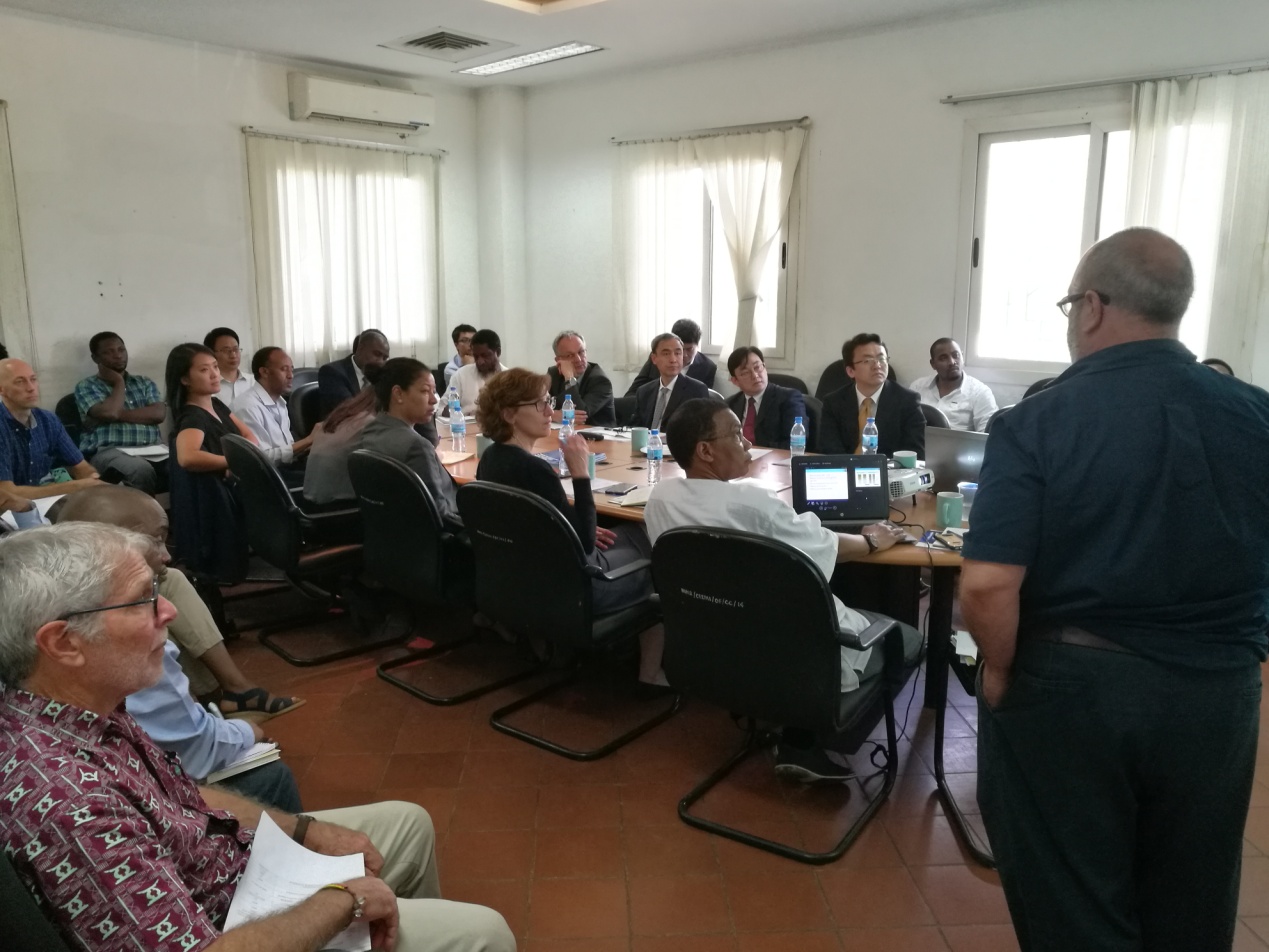
Picture 6. A special workshop of China-UK-Tanzania Project in NMCP
Meanwhile, invited by Embassy of Switzerland in Tanzania, Dr. Maru Aregawi, the expert of the evaluation team introduced the evaluation results to the German Embassy in Tanzania (Dr. Norzin Grigoleit-Dagyab), U.S.President’s Malaria Initiative (Dr. George Gree etc.), Global Fund (Dr. Rachel Makunde etc.), Roll Back Malaria (Dr. Amal Medani etc.) and Gates Foundation (Dr. Kathleen Walsh etc.). Dr. Wang Duoquan from NIPD also introduced the project design, strategies, and major outputs from the Pilot Project. Ms. Florence Tinguely Mattli, the Swiss Ambassador in Tanzania, and other international participating partners fully affirmed the effectiveness of the Pilot Project and were looking forward to cooperating with China on malaria control and prevention in Africa and sharing Chinese experiences, technology and products timely.
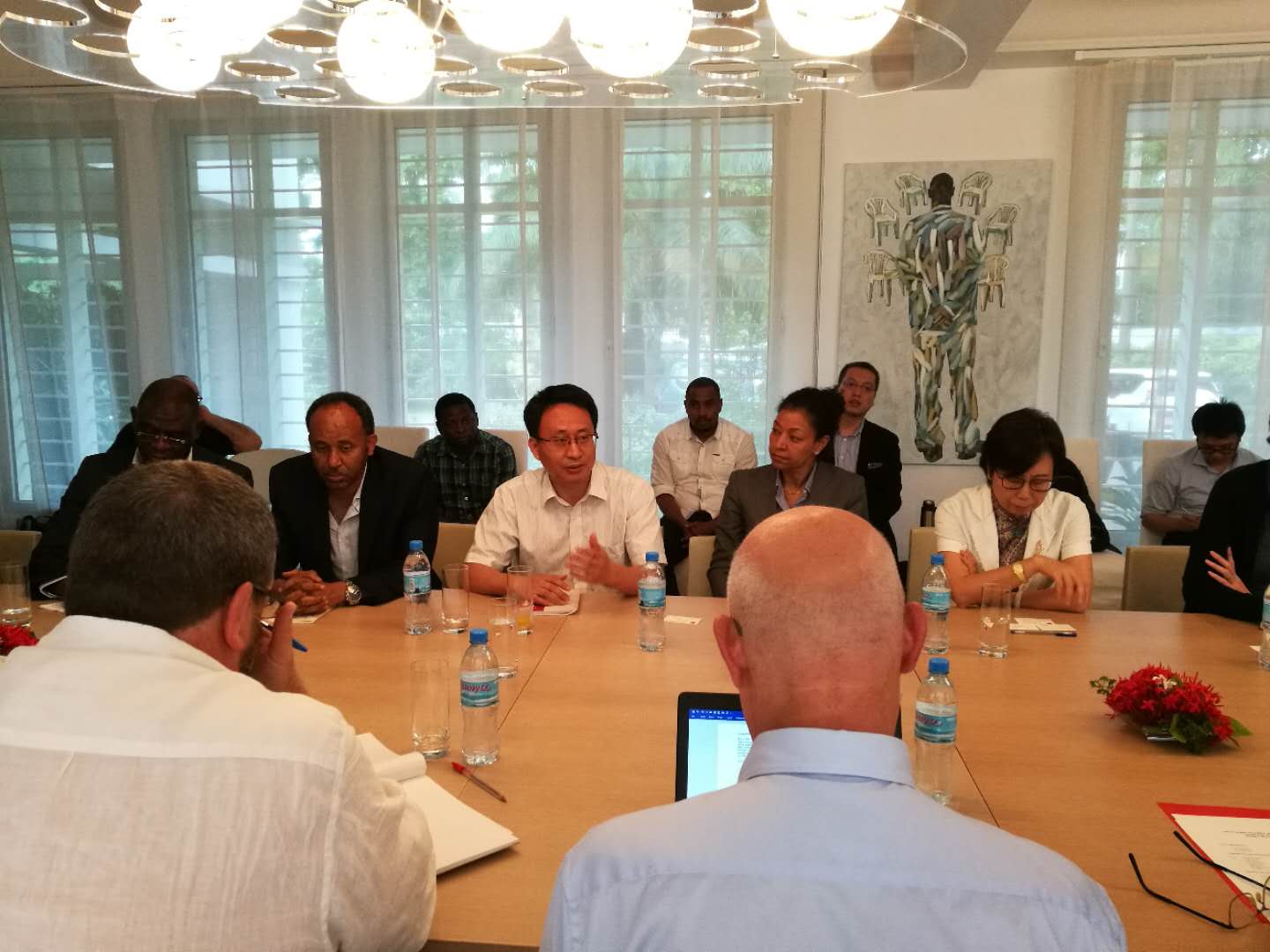
Picture 7. Communications in Swiss Embassy of in Tanzania.
Ms. Wang Ke, the Chinese Ambassador in Tanzania spoke highly of the effectiveness and significance of the Pilot Project. She said that China had a long history of medical assistance to Africa, while the Pilot Project created a new tripartite model for health cooperation with remarkable achievements. It would not only promote the malaria control and elimination in Africa, but provide a new model for the upcoming China-Africa Cooperation Forum Summit Meeting. It would also contribute to “The Belt and Road Initiative" and the building of a community of shared future for mankind.

Picture 8. CCTV in Tanzania reported the China-UK-Tanzania Pilot Project
Background
Overseas Pilot Project on Malaria Control in Tanzania supported by GHSP with the duration from May 2015 to June 2018 is conducted by the National Institute of Parasitic Diseases, China CDC. The expected goals are as follows:
● Apply Chinese experiences on malaria control and elimination, and integrate with the T3-strategy of World Health Organization (WHO), to carry out pilot projects. By strengthening malaria control system construction and capacity-building to improve the efficiency of malaria control activities and reduce the malaria disease burden in the pilot communities. Meanwhile, explore the best models on how to translate Chinese experiences into Tanzania’s malaria control practices and expand the models to other African countries.
● Explore experience, lessons and effective models from health development cooperation between China and other developing countries by the pilot projects, to provide policy recommendations for China’s bilateral and multilateral health cooperation.
(By Programme Implementing Agency OP4D02: National Institute of Parasitic Diseases, China CDC)

